Running a business in Barbados without an online presence? You’re leaving money on the table. The digital transformation happening across the Caribbean isn’t slowing down, and customers expect to shop online, whether it’s 3 PM or 3 AM. Here’s the good news: launching your e-commerce platform doesn’t have to cost thousands of dollars. This guide shows you exactly how to start selling online for free.
Why Barbados Businesses Should Go Online in 2026
Let’s be real, the way people shop has changed completely. Your customers aren’t just walking into stores anymore. They’re scrolling through Instagram at midnight, comparing prices on their phones while sitting in traffic, and expecting 24/7 availability from every business they interact with.
For Barbados entrepreneurs, this shift creates an incredible opportunity. Tourism drives our economy, but what happens when visitors go home? An online store gives you global reach beyond our beautiful shores. You’re no longer limited to selling only to people who physically walk through your door.
The numbers tell the story. Caribbean businesses with e-commerce platforms see better customer engagement, higher conversion rates, and access to customer data that helps them make smarter decisions. Small retailers who thought they couldn’t compete with big brands are now thriving because the internet levels the playing field.
Think about it: your competitor down the street just invested in a fancy storefront. Meanwhile, you could build an online store that serves customers worldwide while they sleep. That’s the power of digital transformation.
Understanding E-Commerce Platforms: What You Actually Need
Here’s where most Barbados business owners get overwhelmed. They hear “e-commerce platform” and imagine complex coding, expensive developers, and months of technical headaches.
Forget all that.
A good e-commerce platform is simply the foundation that lets you sell products online. It handles your product catalog, manages your shopping cart, processes payments through a payment gateway, and keeps track of inventory management. The best part? Modern platforms do the heavy lifting for you.
What should you look for? Start with these essentials:
Mobile commerce capability is non-negotiable. Most of your customers will shop from their phones, so if your store looks broken on mobile, you’ve already lost the sale. User experience (UX) matters more than fancy features you’ll never use.
You’ll need solid order management tools to track what you’ve sold and what needs shipping. Built-in SEO features help customers actually find your store on Google. And security and compliance protections keep your customers’ payment information safe, because one data breach can destroy your reputation overnight.
Now, here’s the critical question: which platform should you choose?
If you’re in Barbados looking for a completely free option, Symple Sites offers something unique, a free Starter package specifically designed for Caribbean entrepreneurs. They build your entire website, handle the technical setup, and you only pay $100 per year for hosting. Compare that to hiring a web developer (easily $2,000+) or monthly subscription fees from other platforms ($29-299/month), and the value becomes obvious.
Your Complete Launch Roadmap
Step 1: Choose Your Platform and Sign Up
Start with Symple Sites’ free Starter package. Fill out their form with your business details, pay the annual hosting fee, and they’ll build your site within 7 days. Unlike DIY website builders that leave you struggling with design templates at 2 AM, this is completely done for you.
The free package includes everything a small Barbados business needs to start selling: professional design, mobile-friendly layout, basic SEO setup, and room to grow. As your business expands, their scalability lets you upgrade to more advanced features without rebuilding everything from scratch.
Step 2: Set Up Your Product Catalog
This is where your business comes to life online. Take clear, well-lit photos of your products, natural daylight works better than you’d think, and your smartphone camera is probably good enough. Write descriptions that answer the questions customers actually ask: What’s it made of? How does it work? Why should I buy this instead of something else?
Organize products into logical categories. If you’re selling handmade jewelry, don’t just dump everything into one page. Create categories: earrings, necklaces, bracelets. Makes it easier for customers to find what they want, which directly improves your conversion rate.
Price competitively for the Barbados market, but don’t forget international shoppers might have different expectations. Research what similar products sell for, factor in your costs, and remember, you can always adjust prices based on the analytics and insights you’ll collect.
Step 3: Configure Your Payment Gateway
Money needs to flow smoothly, or customers abandon their shopping carts faster than you can say “checkout.”
In Barbados, you’ll want payment options that work locally and internationally. Look into Caribbean-friendly payment processors that handle multiple currencies without killing you on transaction fees. Some platforms charge 2-3% per transaction on top of credit card fees. Those costs add up fast when you’re making sales.
Make sure your payment gateway meets security and compliance standards. Customers need to see that little padlock icon in their browser and know their credit card information is protected. One security breach and your business reputation is toast.
Step 4: Optimize for Mobile Commerce
Over 60% of online shopping happens on mobile devices. If your store looks terrible on a phone, you’re losing more than half your potential customers.
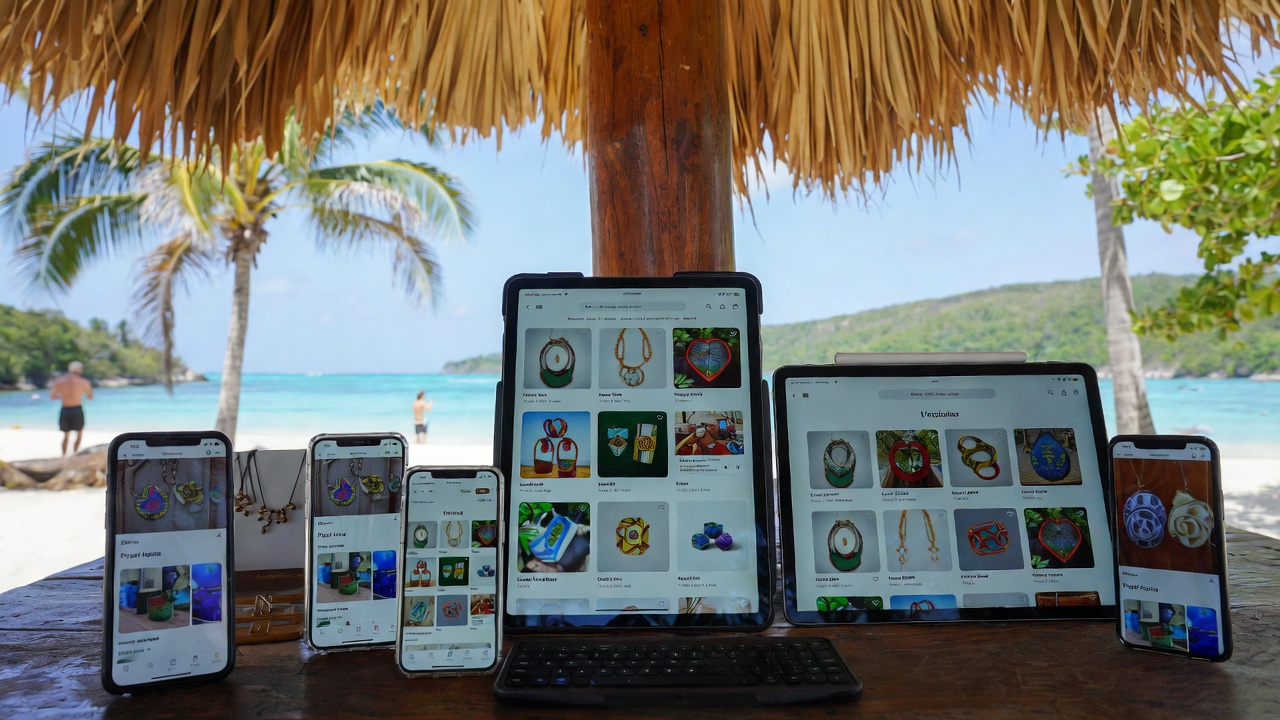
Test your site on different devices, iPhones, Android phones, tablets. Click through the entire purchase process yourself. Does the shopping cart work smoothly? Can you easily tap the checkout button? Do images load quickly? Poor mobile user experience (UX) is the fastest way to kill online sales.
Step 5: Set Up Analytics and Tracking
You can’t improve what you don’t measure. Install Google Analytics (it’s free) and start collecting customer data from day one. Which products get the most views? Where do customers drop off during checkout? What time of day do you get the most traffic?
These customer insights become gold for business growth. Maybe you discover that Barbados customers prefer shopping on weekends, while international buyers come through on weekdays. Now you know when to run promotions and when to schedule social media posts.
Track your conversion rate obsessively, that’s the percentage of visitors who actually buy something. If 100 people visit and 2 buy, that’s a 2% conversion rate. Industry average is 2-3%, but with the right tweaks, you can push higher.
Managing Your Store After Launch
Inventory Management That Actually Works
Running out of popular items or being stuck with dead stock both hurt profits. Simple inventory management doesn’t require expensive software when you’re starting out. A spreadsheet tracking what you have, what’s sold, and what needs reordering works fine initially.
As sales increase, you’ll want automated tools that update inventory in real-time. Nothing frustrates customers more than ordering something that’s actually out of stock. Good order management systems prevent these headaches.
Delivering Excellent Customer Experience
Speed matters. When someone emails asking about a product, responding in 24 hours isn’t impressive, it’s the minimum. Caribbean businesses that succeed online answer questions quickly, handle issues professionally, and make returns painless.
Use customer engagement tools like automated order confirmations, shipping updates, and follow-up emails asking for reviews. Marketing automation handles this without you manually sending hundreds of emails. Set it up once, and it works while you focus on other parts of your business.
Growing With Multi-Channel Selling
Why limit yourself to one platform? Social commerce is exploding, people buy directly through Instagram and Facebook now. List products on multiple channels: your website, social media, maybe even marketplaces that reach Caribbean shoppers.
This multi-channel selling approach increases visibility and captures customers wherever they prefer to shop. Just make sure your inventory management syncs across all channels, or you’ll oversell and create fulfillment nightmares.
Scaling Beyond Free: When to Upgrade
The free Starter package gets you selling, but growing businesses eventually need more firepower. You’ll know it’s time to upgrade when you’re consistently hitting sales targets, managing dozens of products, and wanting advanced features like abandoned cart recovery or detailed customer segmentation.
Symple Sites offers Business Growth and E-commerce Essentials packages with expanded capabilities. The investment makes sense when the additional features directly increase revenue. Better analytics and insights mean smarter marketing decisions. Advanced marketing automation recovers sales you’d otherwise lose.
The beautiful thing about proper scalability? You grow the platform as your business grows. No need to rebuild everything or migrate to a completely different system. Upgrade your plan, activate new features, keep selling.